Betula pubescens
Downy Birch
Physical Traits & Growth
Typical max. heightMaximum height in typical conditions, in metres. Full data also shows maximum achievable height in exceptional conditions.:
20m
25m
Usually up to 20m, rarely 25-30m
28m
Max. canopy widthLikely maximum horizontal width of the canopy, in metres:
Irregular, ovoid to conical, 6-8m wide
4-8m wide
Irregular
Size of shadowSize of shadow based on a fully grown tree, categorised as low, medium or high: Low (144 sqm)
Canopy densityShading intensity of the canopy when in full leaf. Categorised from open to dense.:
Open
Light
Leaf emergenceTime of leaf emergence, categorised as very early, early, late, or evergreen: Early (Apr to Nov )
Growth rateHow quickly the tree grows during establishment. Categorised as low, moderate or high, with very high used in exceptional cases.: Moderate to high
LongevityExpected lifespan of the tree: Longevity of 100-200 years or up to 100 years
Management & Systems
Typical systemsCommon agroforestry or silvicultural systems where this species is used:
Well suited to upland conditions , even more so than Betula pendula
Pasture
Approach to silvicultureCoppicing and pollarding ability:
Weak at coppicing
Can be coppiced on long rotation
Establishment requirementsCommon requirements to establish the tree:
Fast growing
Regular mulching required because sensitive to weed competition
Susceptible to browsing
Risk of poor growth in tubes
Management requirementsCommon long-term management needs such as pruning. Categorised as low, moderate or high.: Minimal or no pruning
Pruning timeOptimal season for pruning: Summer or winter (mid)
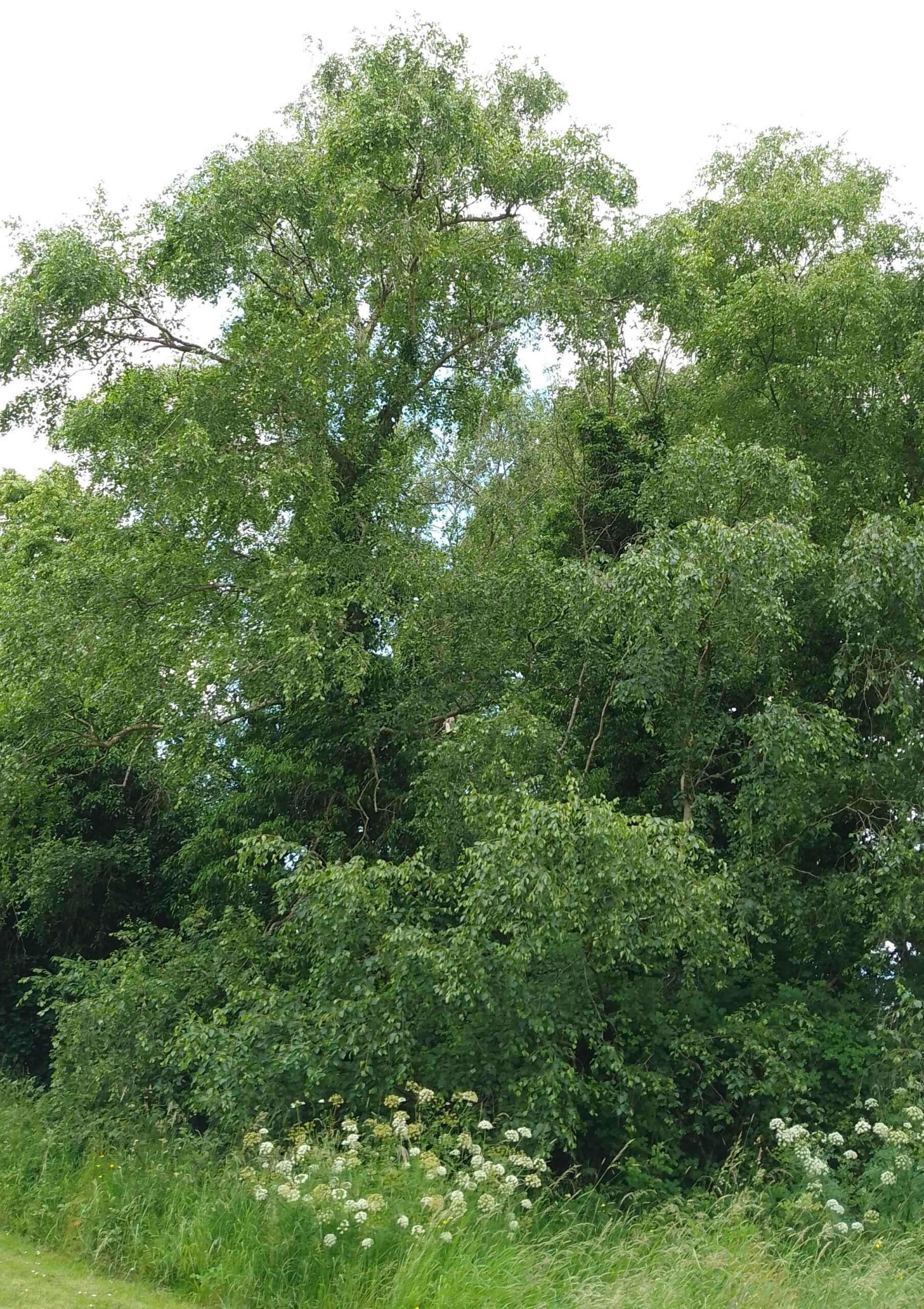
Downy Birch, Reading, UK / Tom Staton / https://creativecommons.org/licenses/by-sa/4.0/deed.en
Products & Economy
Food productsCommon food products such as fruits and nuts: –
Wood productsCommon wood products, including timber, turnery, and pulp:
Timber , pulp
Max YC 8 or 7
BiomassCommon biomass products such as fuelwood: Fuelwood
Speciality productsOther speciality and niche products: Tree sap
Time until market (food)Number of years until the tree produces food products: –
Time until market (timber)Number of years until the tree produces wood products: 30-40 year timber rotation
Ecology & Utility
Nutrient and organic matter accumulationRough estimate of soil-improving properties, with larger and deeper-rooting trees predicted to have higher value. Categorised as low, moderate or high.:
Low – shallow to moderate root depth, small canopy area
Useful for reforestation of acid soils
Nitrogen fixationNitrogen-fixing properties, categorised as yes or no: No
High carbon sequestrationAll trees sequester carbon, but faster-growing, larger trees generally have higher sequestration potential.:
Short-term (20 years): Moderate
Medium-term (40 years): Moderate
Long-term (60 years): Relatively low
Native status in the UKCategorised as native, long-established, or recent introduction.: Native
High wildlife valueMost trees are likely to be of some value to wildlife, but some trees are of generally higher value to various wildlife groups:
High
Highest value for mycorrhizal fungi and foliage invertebrates
Pollinators
Flowering period (pollinator benefit)Typical flowering months: Apr-May
High pollen and nectar value for pollinatorsValue of flowers to pollinators: Low
Susceptibility & Risks
Risk of toxicity to livestockReported potential toxicity to livestock, categorised as yes or no. Toxicity is complex and often context-specific.: None known
Risks to farming operationsOther risks such as suckering roots, very large tree size, secondary host for aphids, and flammability: None known
Disease susceptibilitySusceptibility of the tree (not tree products) to diseases, e.g. fungal and bacterial disease:
High
Host to a very high number of pathogens, especially fungi
Susceptible to birch dieback
Highly susceptible to honey fungus
May be susceptible to honey fungus, a tree rust and powdery mildews
Invertebrate pest susceptibilitySusceptibility of the tree (not tree products) to invertebrate pests, e.g. aphids and other insects:
Low (high future risk)
Few pests
May be susceptible to birch borers, leaf-mining sawflies, and aphids
Vertebrate damage susceptibilitySusceptibility of the tree (not tree products) to vertebrate pests, e.g. squirrels and deer:
Low to moderate
Low sensitivity to browsing , moderate palatability
‘Sometimes’ browsed by deer, and preferred over B. pendula